When someone is in the final stages of life, palliativní péče, přístup, který se zaměřuje na zmírnění bolesti a zlepšení kvality života místo pokusu o vyléčení nemoci. Also known as údržba pohodlí, it isn't about curing disease—it's about making sure a person can still smile, eat, and feel human until the very end. Many assume that when a person is terminally ill, dental care becomes unnecessary. That’s a dangerous myth. Painful teeth, infected gums, or loose dentures don’t disappear because someone is nearing the end of life—they become even more unbearable.
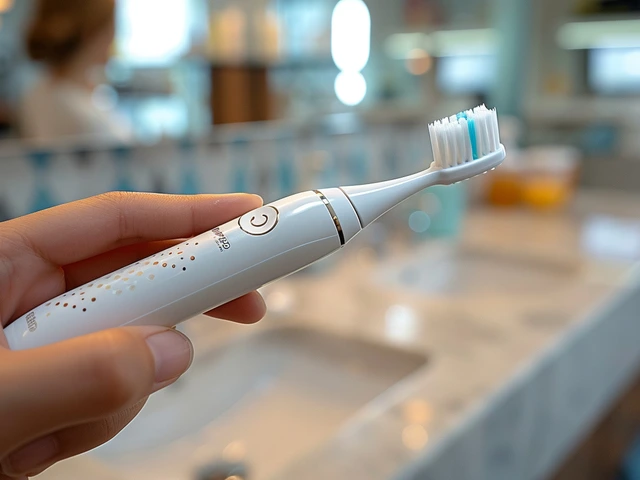
Good zubní péče, pravidelná péče o ústní dutinu, včetně čištění, prevence infekcí a údržby náhradních zubů is a basic human right—even for those who can’t speak up anymore. A toothache doesn’t care if you’re 80 or 102. It doesn’t care if you’re in hospice or at home. It just hurts. And that pain can make someone withdrawn, agitated, or unable to eat. That’s why even simple things like cleaning teeth with a soft brush, rinsing with salt water, or adjusting a loose denture can make a huge difference. For many patients, being able to taste food again, or even just sip water without pain, restores a small but vital piece of dignity.
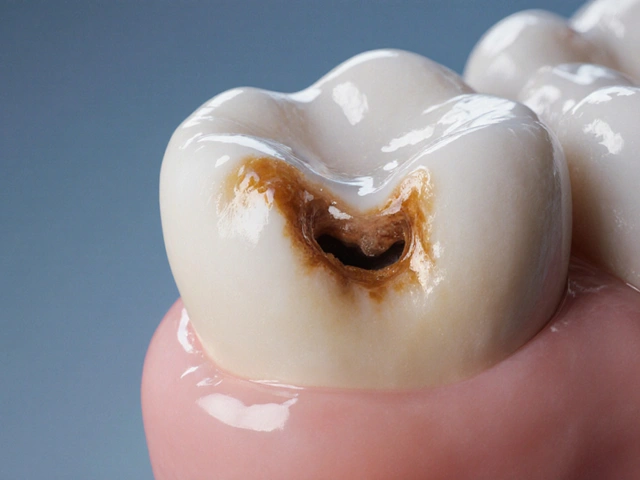
It’s not just about comfort—it’s about preventing bigger problems. An untreated infection in the mouth can spread to the bloodstream, especially when the immune system is weak. That’s why even in palliative care, dentists and nurses work together to keep mouths clean and dry. And it’s not only about the teeth. Dry mouth from medications? That’s common. Saliva protects your teeth. Without it, decay and sores grow fast. Simple solutions like moistening the lips, using sugar-free gum, or special gels can help.
Many families don’t know that dental care is part of palliative care. They think it’s only for hospitals or cancer centers. But it’s not. It’s for anyone who needs help with basic comfort. Whether it’s a grandparent with dementia, someone with advanced cancer, or a person with severe heart failure—oral care should be part of their daily routine. You don’t need fancy tools. You need consistency. A damp cloth, a soft brush, and patience.
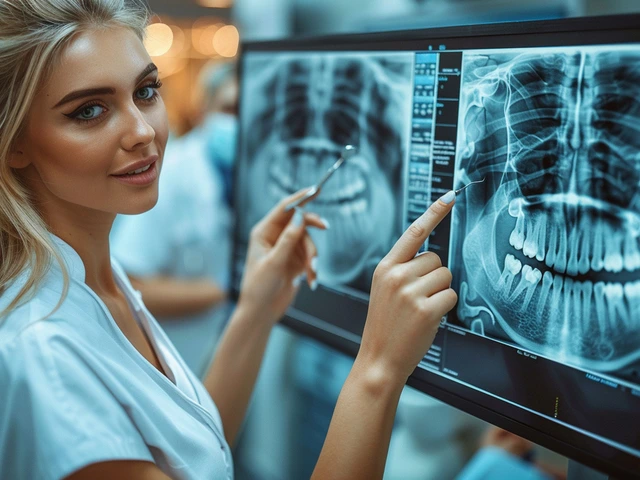
And if you’re caring for someone at home, you’re not alone. Many clinics, including those specializing in palliative care, offer mobile dental services. They come to you. They don’t judge. They just help.
In the posts below, you’ll find real-life advice on how to manage tooth pain at home, how to care for dentures when mobility is limited, and what to do when someone can’t brush their own teeth. These aren’t theoretical tips—they’re tools used by caregivers and clinicians to bring comfort where it matters most. Because even in the final chapter, a smile still matters.
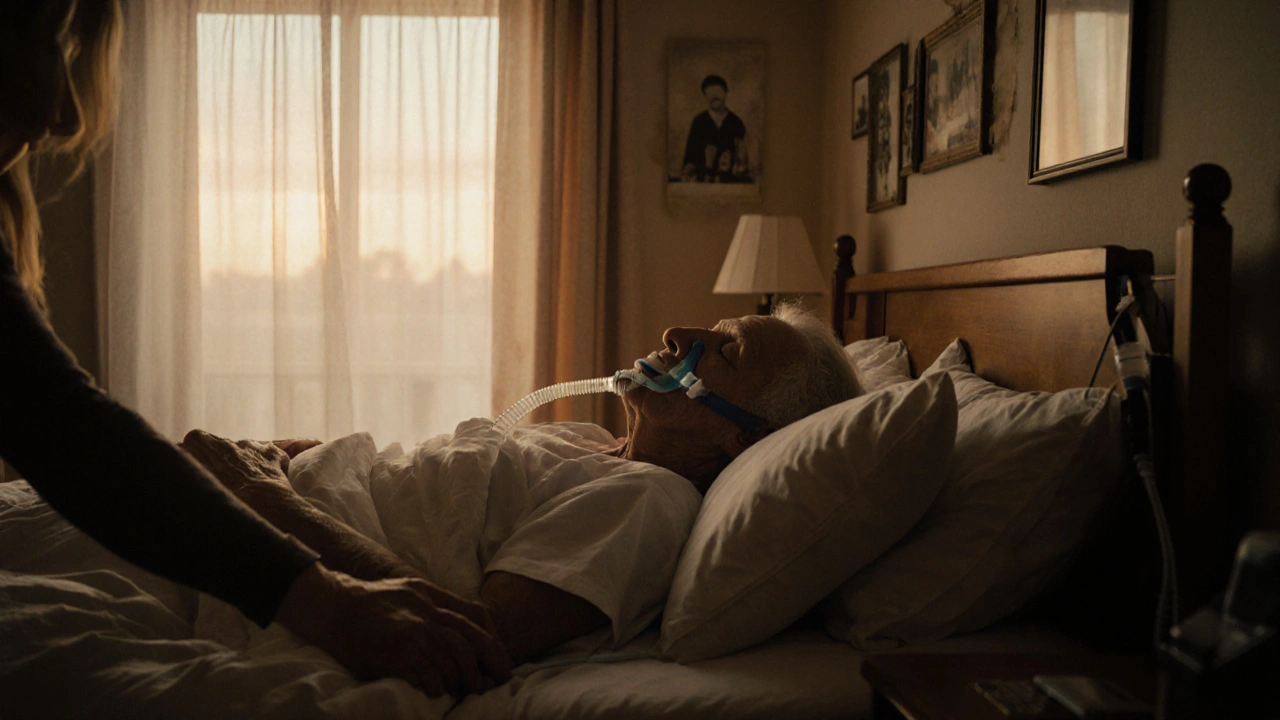
Jak vypadá skutečné umírání na rakovinu? Tento článek popisuje fyzické a emocionální průběh posledních dní, jak funguje palliativní péče v ČR a co můžete udělat, když někdo umírá. Pravda, kterou se neříká.
číst více